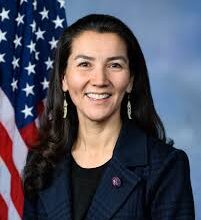
Ann Hornaday, the longtime film critic for The Washington Post and a Pulitzer Prize finalist, died on October 18, 2026, at her home in Baltimore. She was 66.
Hornaday’s cause of death was glioblastoma, an aggressive form of brain cancer, according to her husband, Dennis Greenia. Her death marked the loss of a respected journalist whose thoughtful film criticism helped readers understand cinema and its influence on American culture.
For more than two decades, Hornaday was one of the newspaper’s leading voices on film, writing reviews, interviewing prominent filmmakers and examining the creative decisions behind some of Hollywood’s most significant productions.
What Was Ann Hornaday’s Cause of Death?
Hornaday died following glioblastoma, a serious form of cancer that develops in the brain. Her husband confirmed the cause of death following her passing at home in Baltimore.
Glioblastoma is an aggressive brain tumor that can affect a person’s neurological functions and requires specialized medical care. The specific details of Hornaday’s diagnosis, treatment and final illness have not been publicly established in the information available.
She died on October 18, 2026, at the age of 66.
A Distinguished Career at The Washington Post
Hornaday joined The Washington Post in 2002 and spent more than 20 years covering the film industry. Her work earned her recognition for making complex cinematic ideas accessible to everyday readers without sacrificing critical depth.
In 2008, she became a finalist for the Pulitzer Prize in criticism, with her film reviews and essays helping establish her reputation as an influential voice in American film journalism.
She wrote about major Hollywood releases, independent films, emerging directors and the wider cultural significance of movies. Her criticism often considered not only whether a film succeeded, but also what its creators intended to accomplish and whether those ambitions were worthwhile.
Hornaday left the newspaper in 2025 after accepting a buyout.
Remembered for Her Contributions to Film Criticism
Beyond her newspaper work, Hornaday authored Talking Pictures, a 2017 book exploring how audiences can better understand filmmaking and appreciate the work of writers, directors, actors, editors and other creative professionals.
She was particularly admired for her writing on films such as The Hurt Locker, There Will Be Blood, Oppenheimer and Jaws. Her work encouraged readers to look beyond simple ratings and consider the craft, storytelling and artistic choices behind a movie.
Shortly before her death, she completed a book about the making of All the President’s Men, the acclaimed 1976 film about the Watergate investigation. The book is tentatively scheduled for publication in 2028.
Family and Legacy
Hornaday is survived by her husband, Dennis Greenia; their daughter, Victoria Greenia; her stepdaughter, Leila Greenia; and her brother, William Hornaday III.
Her death has marked the end of a significant chapter in American film criticism. Through her reviews, essays and books, she helped generations of readers develop a deeper understanding of cinema and the people responsible for bringing stories to the screen.
Although her life ended after a battle with glioblastoma, her body of work remains a lasting contribution to film journalism and cultural commentary.